How to Follow-up on Email? 2026 Guide with Templates
To follow-up on your cold emails, use a clear subject line, greet warmly, reference your previous email, add fresh value, and an easy CTA, proofread and send.
Written by

Luka Pecavar
Published on
January 7, 2026
12
min
Following up on emails in 2026 is not about just pushing people for a reply. Now, it’s about being clear, helpful, and respectful. Many emails go unanswered simply because inboxes are crowded.
That’s why learning how to follow up on emails matters more than ever. In this guide, you will learn how to write follow up emails for cold email in a simple, proven way.
You will also find real templates and learn about the mistakes you should avoid while writing such emails. By the end, writing follow-up emails will feel easy, natural, and effective.
But, first things first, let’s learn what’s a follow-up email.
What Is a Follow-Up Email?
A follow-up email is a short message sent after your first email when you do not receive a reply. It’s a subtle nudge for the recipient about your earlier email.
At the same time, it adds clarity, value, or context. Most follow-ups are polite and simple.
They are not meant to pressure anyone. Instead, they help restart a conversation that may have paused due to timing, workload, or missed email.
How to Write Follow Up Emails in 2026
A good follow-up email is all about structure and tone. That’s why, when you follow a clear process, your email feels helpful instead of annoying.
Below are the key steps that make follow-ups work well in 2026.
1. Start With a Strong Subject Line
A strong subject line helps your email get noticed quickly. It should feel clear, relevant, and calm. So, avoid vague phrases that sound generic, instead, reference the topic or value you shared earlier.
This helps the reader remember why you reached out. Also, shorter subject lines work better because they are easier to scan.
Most importantly, your subject line should match your message honestly and set the right expectation.
2. Your Follow-up Should Have a Warm, Personalized Greeting
A warm greeting always sets the tone of your email. So, you have to start by using the person’s name and keep it friendly.
If possible, do add a small personal detail, such as their role or company. This shows effort and care. Even in cold emails, warmth matters. So when people feel seen, there's a higher chance that they'll reply.
Also, don't write robotic emails, and write like you would speak in a polite business conversation.
3. Reference the Previous Email or Interaction
Always remind the reader why you are writing. Mention your earlier email or conversation in one clear line. It will help to refresh their memory without blaming them for not replying.
For example, you can say you are following up on an email you sent last week. This will help them to remember about your previous email, and prevent confusion.
So, your follow-up will feel organized and respectful.
4. Add Fresh Value or a Curiosity Trigger
Each follow-up should bring something new; it could be a helpful idea, a short insight, or a new angle. So, it’s best not to repeat the same email again. A fresh value will keep your reader interested.
It will also show that you respect their time. Sometimes, a simple question or observation works well as a curiosity trigger, as when people feel curious, they are more likely to reply.
5. Include an Easy Call-to-Action
Your call-to-action should be simple and clear. Do not ask for too much at once. A small yes-or-no question often works best.
For example, you can ask if this is worth exploring. Always remember that an easy-call-to-action reduces pressure.
As a result, the reader can reply quickly without thinking too much. This small step can move the conversation forward naturally.
6. Use a “No-Oriented” Close
A no-oriented close gives the reader control. So, instead of pushing for a yes, you allow space for a no. For example, you can say they can let you know if now is not the right time.
This lowers resistance, and surprisingly, increases the replies. People feel respected and safe responding honestly. In business, this approach builds trust over time.

7. Proofread and Send
Before sending, always proofread your email, and check the spelling, tone, and clarity.
Small errors can hurt your deliverability; so, read the email out loud to see how it sounds. If it feels natural, you are ready to send.
A clean and polished follow-up shows professionalism. That’s why, even short emails deserve this final step, especially when building new business relationships.
26 Follow-Up Email Templates That Works in 2026
Below are practical templates you can use across industries. They are short, polite, and designed for real inboxes. You can adapt them based on your goal or audience.
Sales Follow-Up Email Templates
These templates work well when learning how to write follow up emails for cold email in sales without sounding desperate.
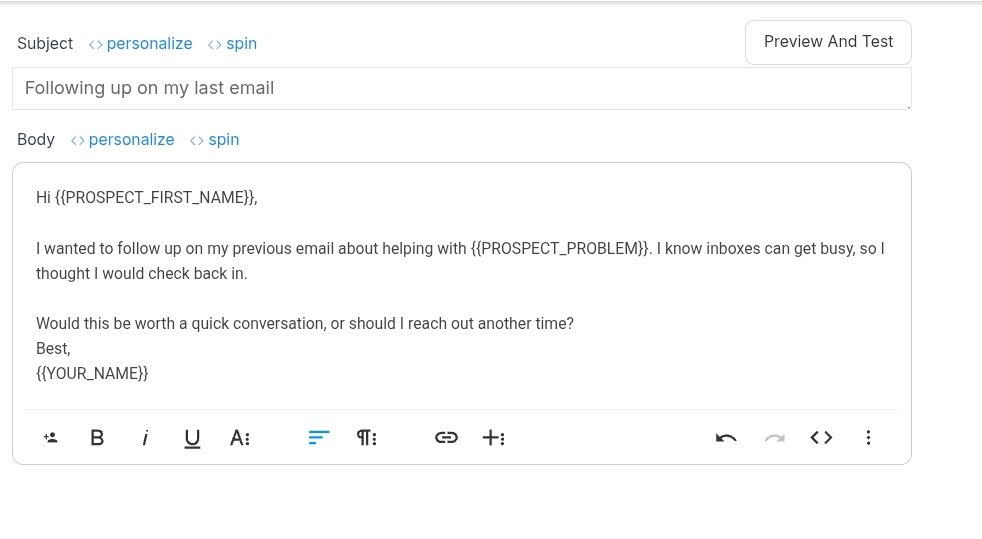
1. Sales Follow-Up Email After a No Response
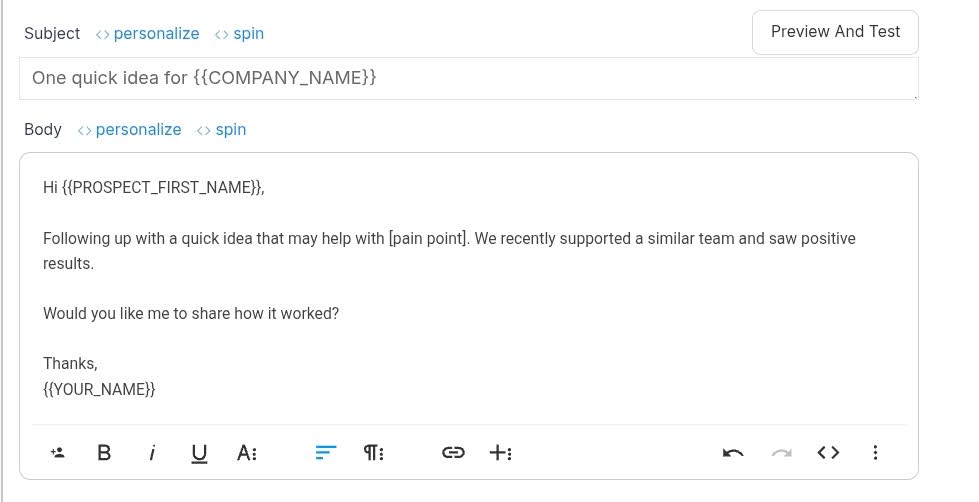
2. Value-Based Sales Follow-Up
3. Polite Follow-Up Email Sample for a Sales Request
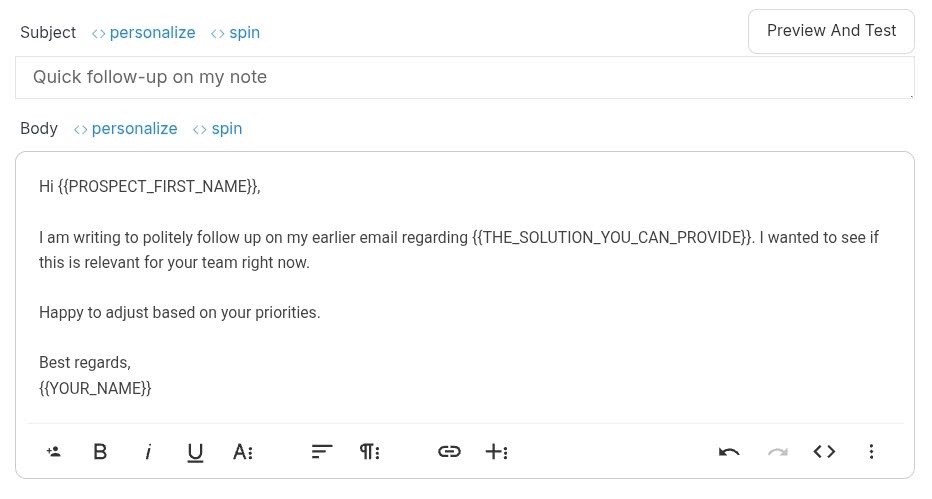
4. Simple Sales Follow-Up Email Sample
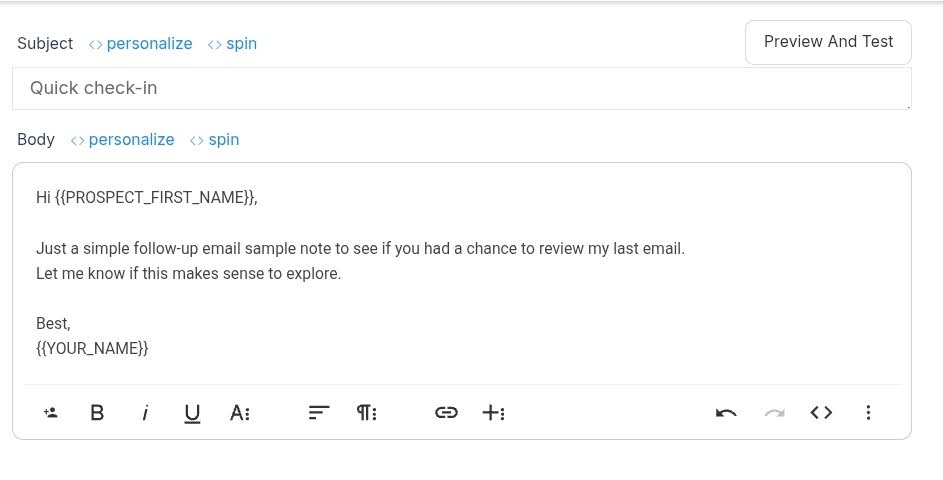
5. Sales Follow-Up Asking for Direction
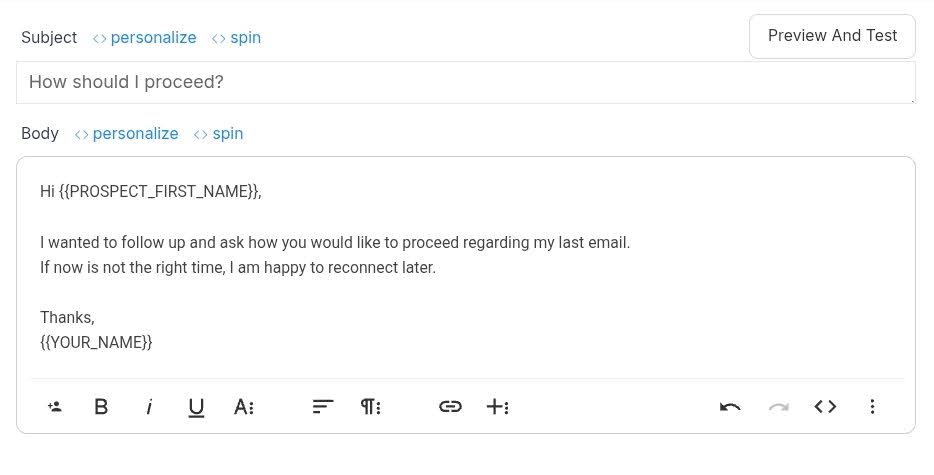
6. Sales Follow-Up with No-Oriented Close
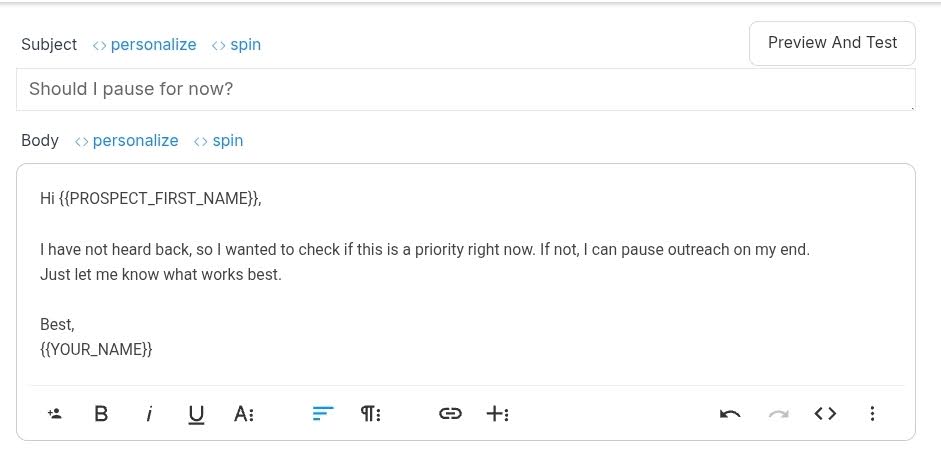
7. Sales Follow-Up Email for Update
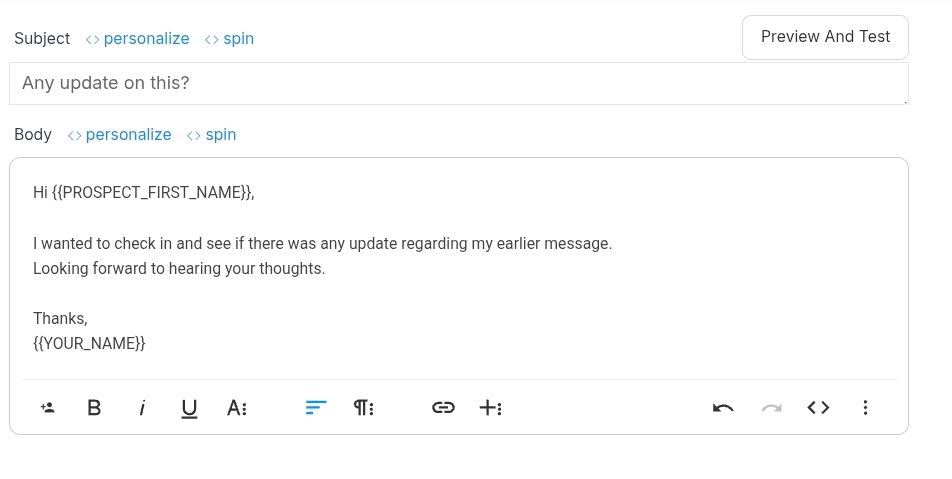
8. Sales Follow-Up with Soft CTA
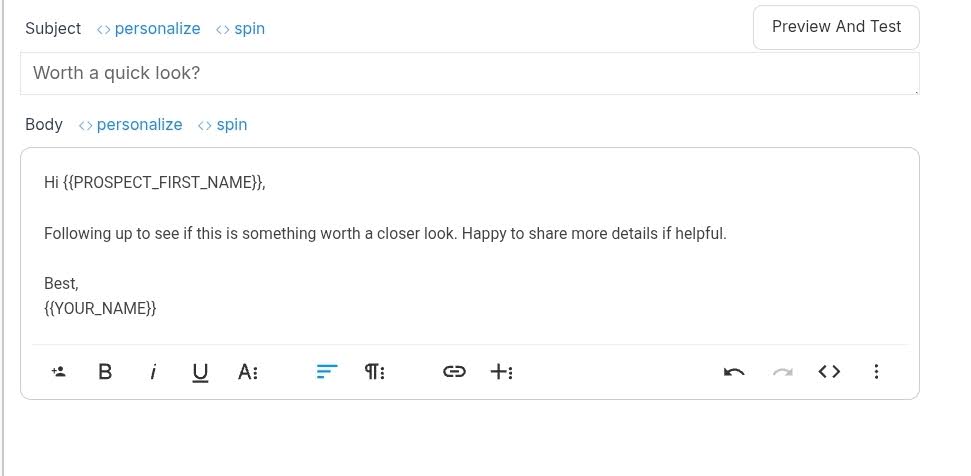
9. Second Sales Follow-Up After No Response
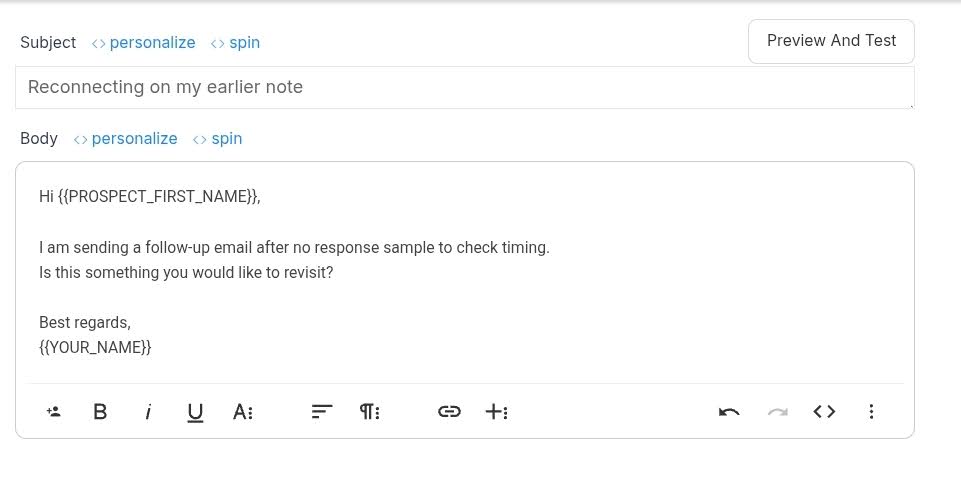
10. Final Sales Follow-Up
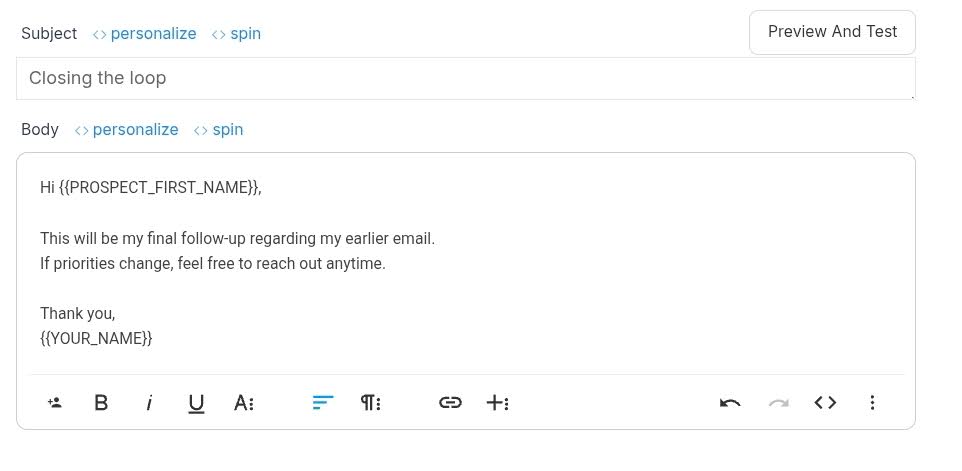
Recruiting Follow-Up Email Templates
These templates are ideal when following up with candidates, interviewers, or hiring managers.
11. Recruiter Follow-Up After Application
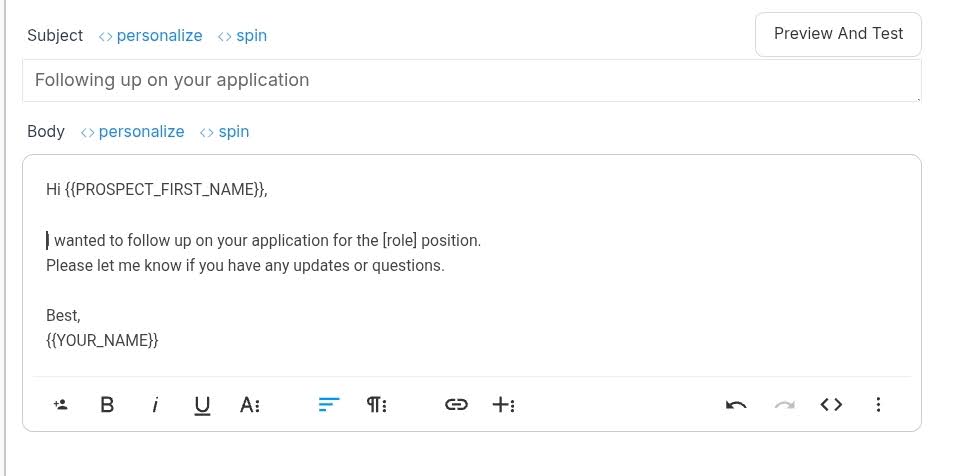
12. Recruiter Follow-Up After Interview
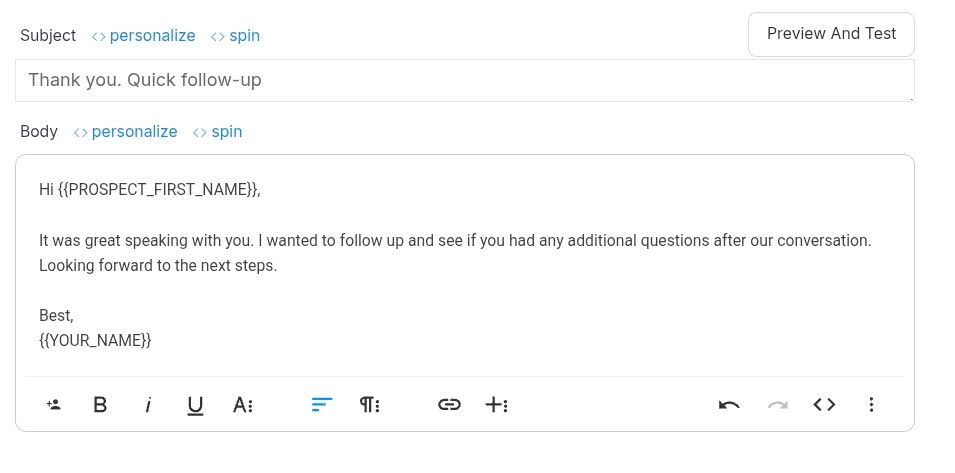
how to follow up on email
13. Candidate Follow-Up Email for Update
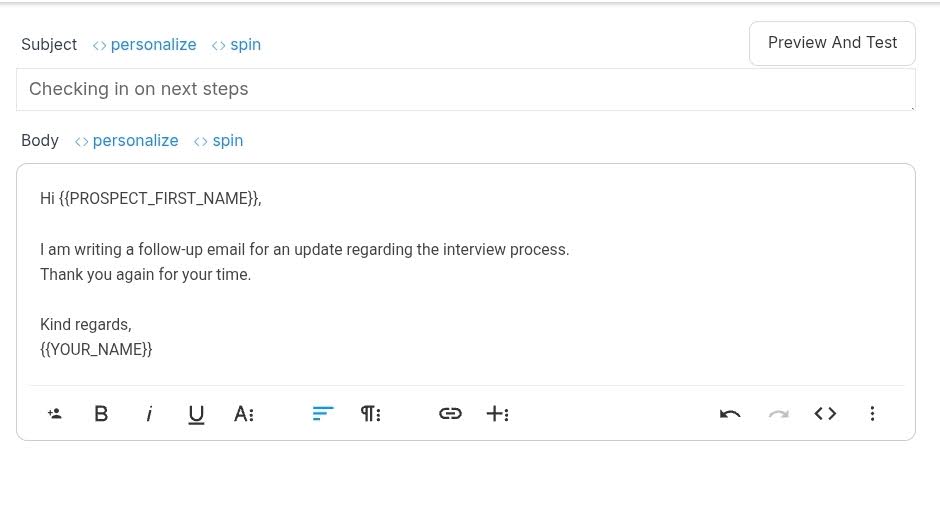
14. Polite Recruiting Follow-Up Email Sample
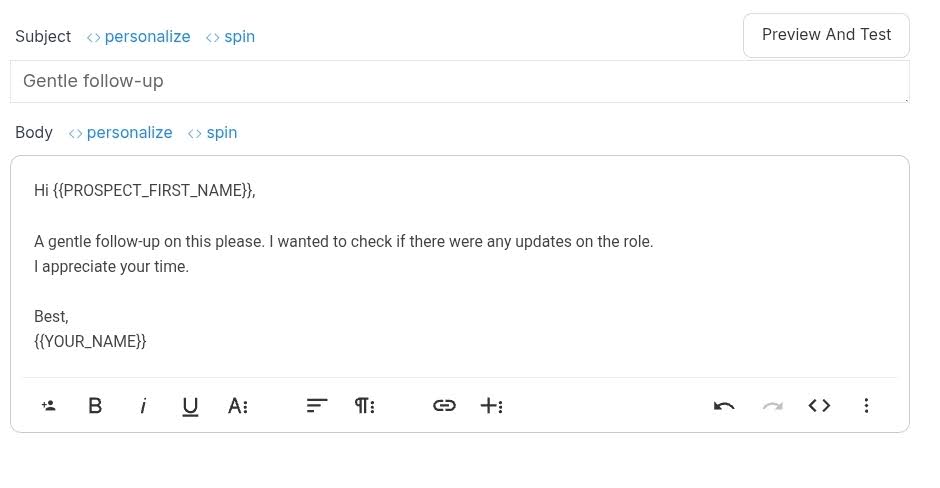
15. Recruiter Follow-Up After No Response
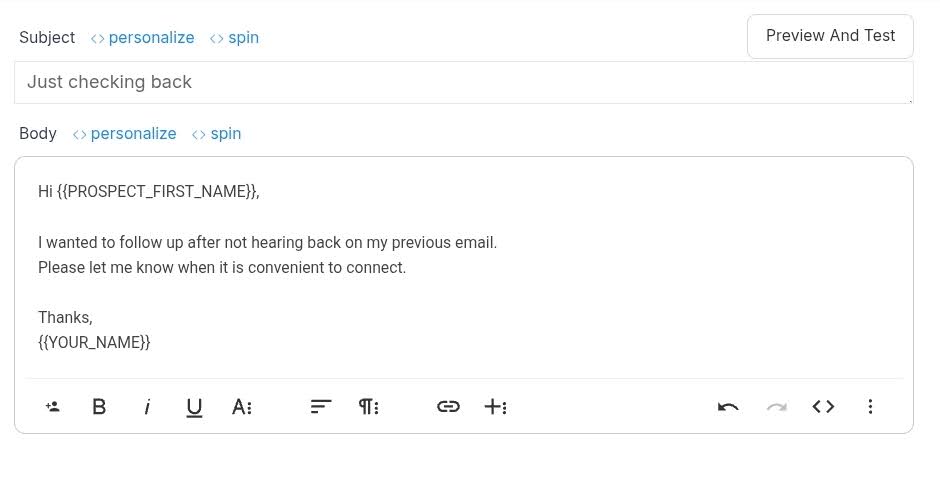
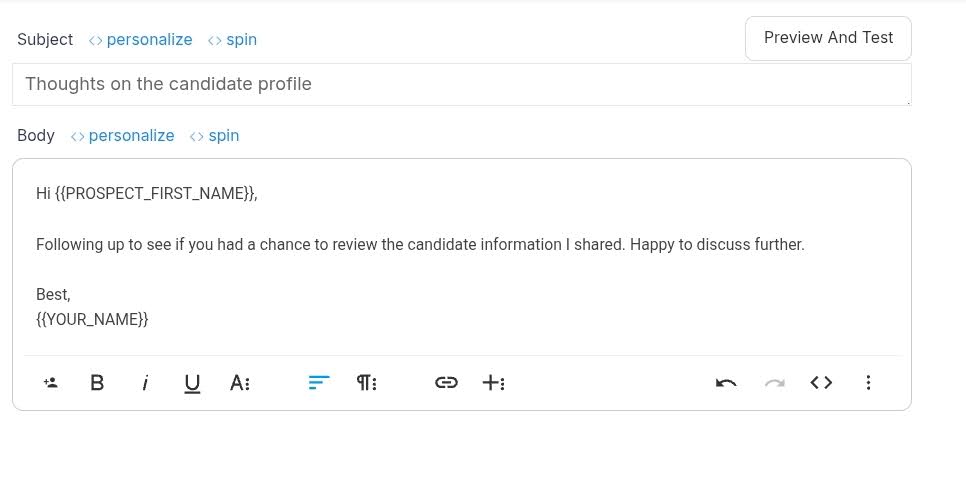
16. Follow-Up After Sharing Candidate Details
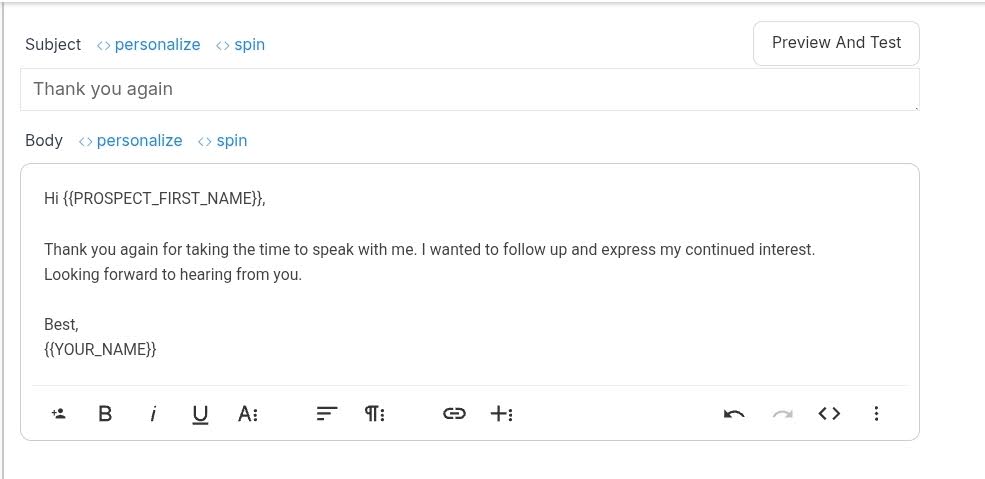
17. Candidate Thank-You Follow-Up
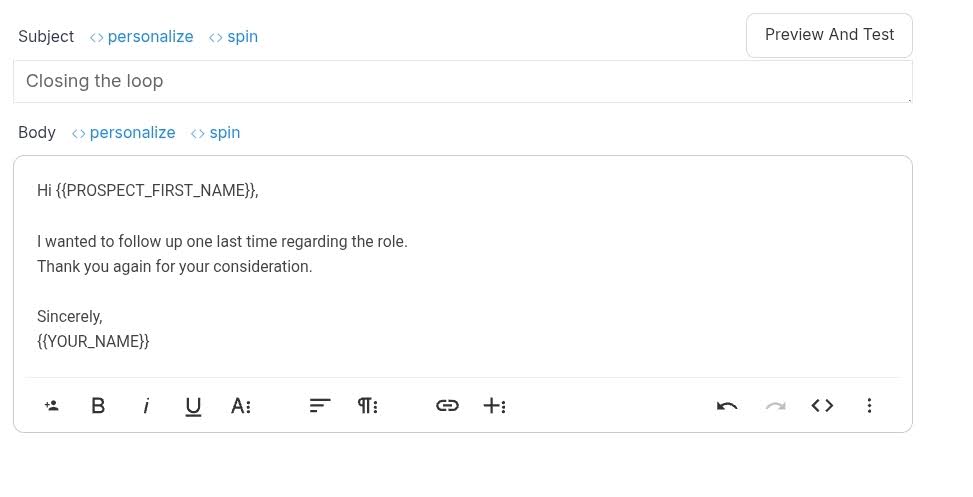
18. Final Recruiting Follow-Up
Partnership Follow-Up Email Templates
These templates work well for collaborations, integrations, and business partnerships.
19. Partnership Follow-Up After Initial Outreach
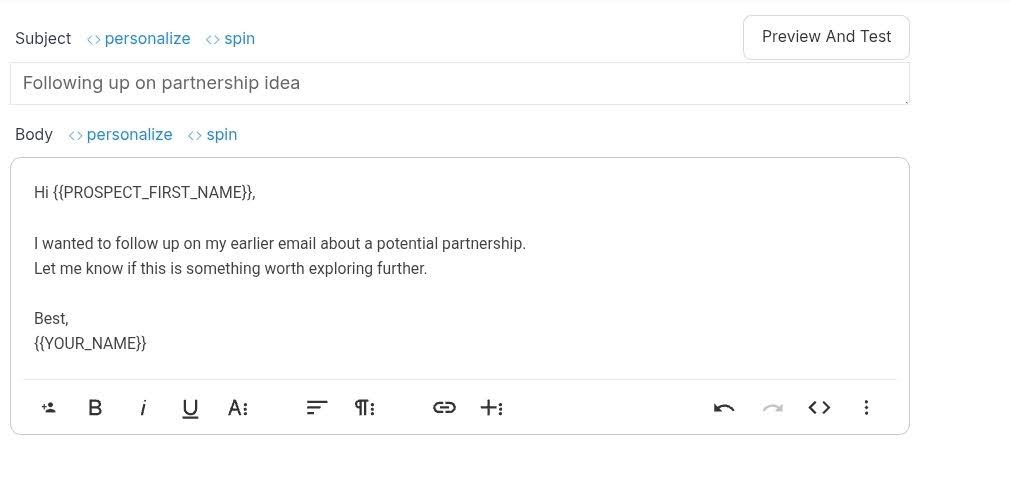
20. Partnership Follow-Up After No Response
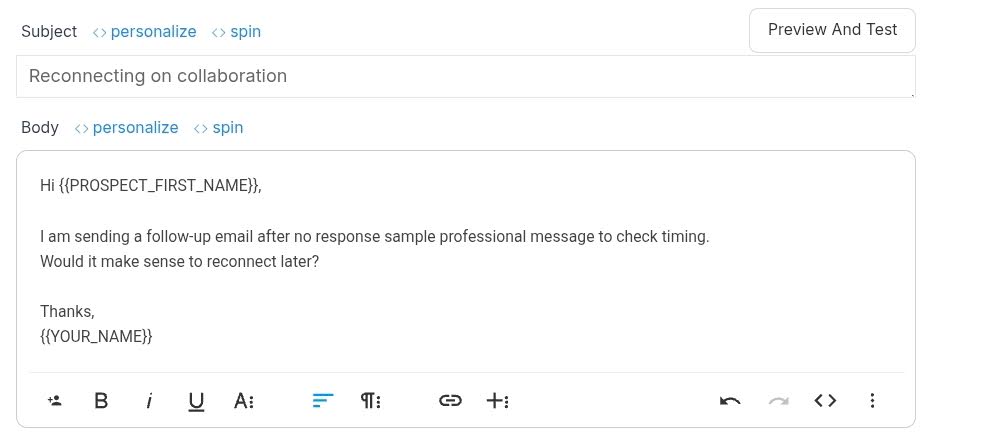
21. Partnership Follow-Up with Value Angle
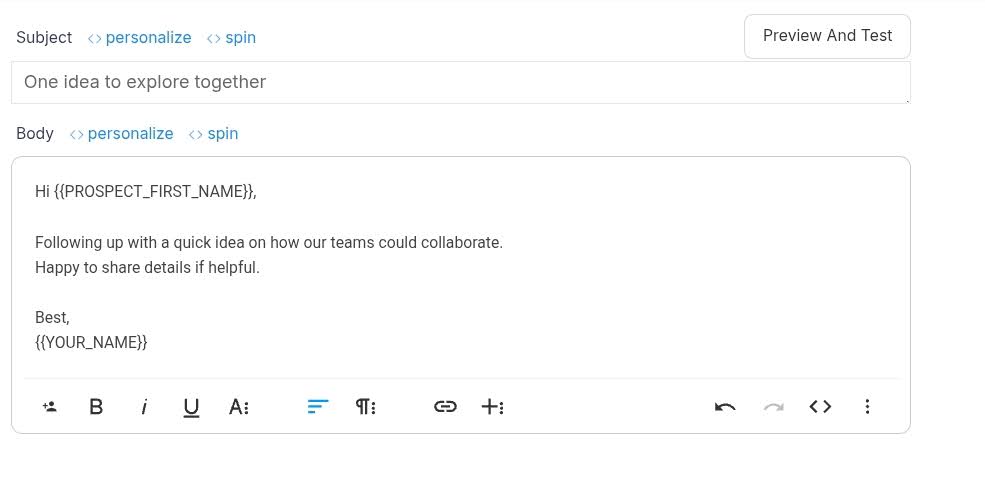
22. Polite Partnership Follow-Up Email Sample
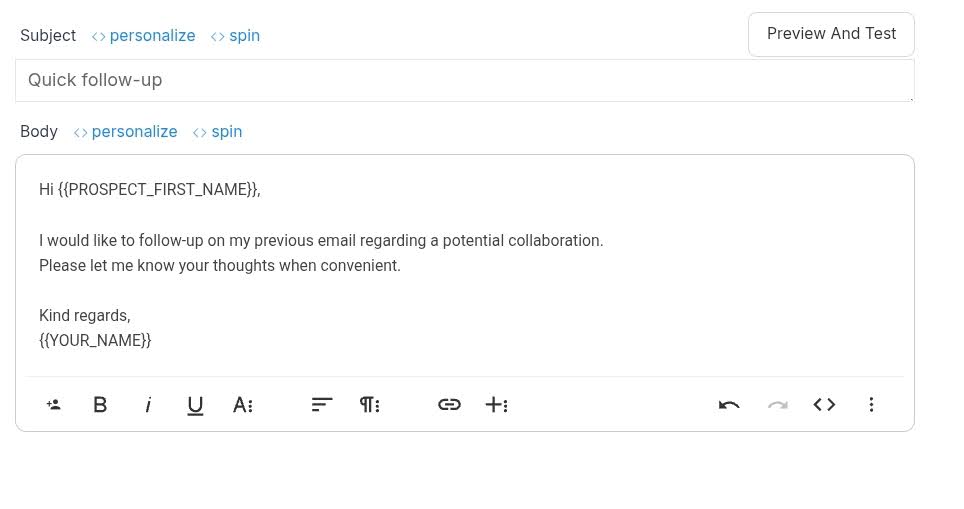
23. Partnership Follow-Up Asking for Update
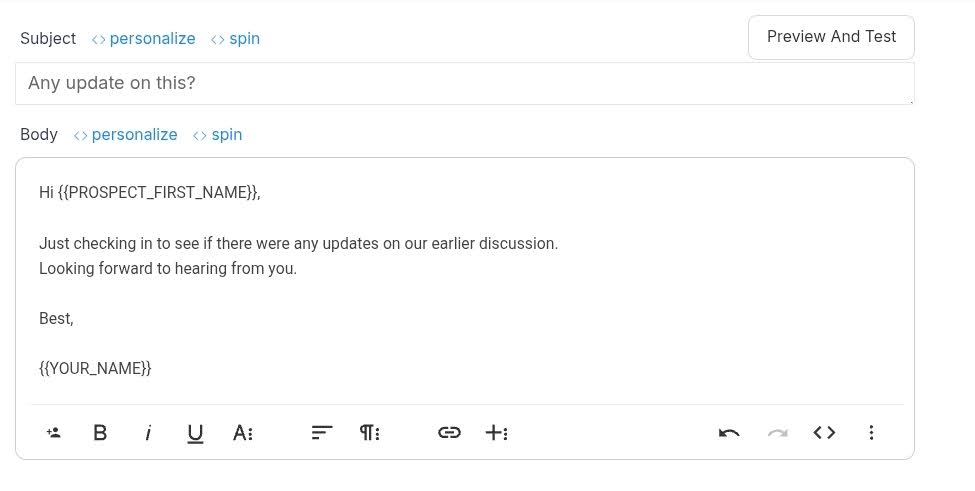
24. Partnership Follow-Up with Soft Close
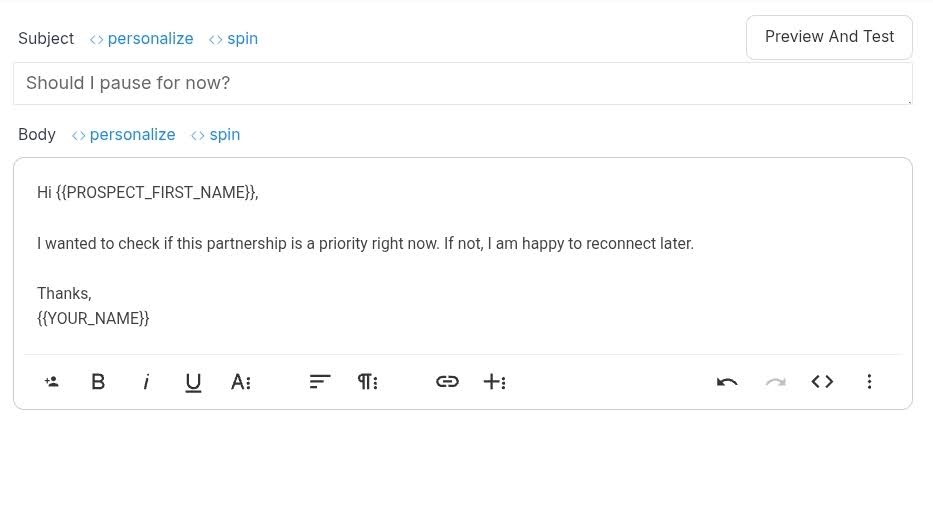
25. Partnership Follow-Up Before Closing
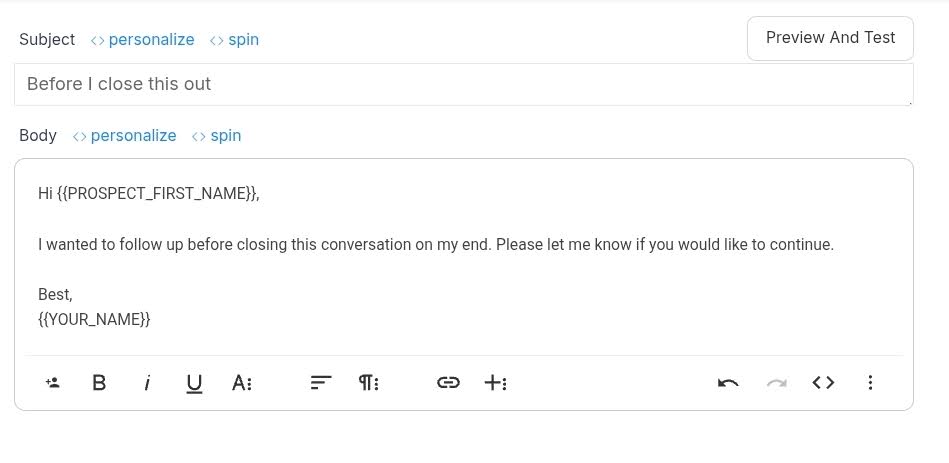
26. Final Partnership Follow-Up

Common Follow-up Mistakes That You Must Avoid in 2026
Follow-ups work best when done thoughtfully. However, certain mistakes can hurt your chances. Below are common issues and how to avoid them.
1. Sending “Just Checking In” or “Touching Base”
These phrases feel empty and overused. They do not explain why you are writing again. As a result, your email may be ignored. Instead, always add context or value. Even one clear sentence helps.
When people understand the purpose of your follow-up, they are more likely to engage. Clear intent always beats vague language in professional emails.
2. Asking for the Calendar Too Early
If you request a meeting too soon, it can feel a little pushy. So at the early stages, give your recipients information, but don't ask for a call.
If you ask for time before building interest, your recipient might lose interest for good. So first, focus on relevance and value.
Then, once they show interest, suggest a meeting or a call. This gradual approach will feel respectful, and also align better with how people make decisions in their busy work environments.
3. Creating a New Email Thread
A new email thread for the follow-up can reduce your open rate percentage, as your recipient may think of it as a fresh email. So, consider small subject lines, while staying in the same thread.
This will refresh their attention, and also show you are adding something new. A thoughtful subject line will help your email to stand out without being misleading.
4. A Lack of “No-Oriented” Close
When you only push for a yes, people feel pressure, and this can often lead to silence. So, a no-oriented close removes that pressure, and gives permission to your recipient to decline.
As a result, people feel safer responding, and this honesty helps you qualify interest faster. So in the long run, it saves time and builds better professional relationships based on respect.
5. Timing or Spacing Your Emails Badly
Sending follow-ups too fast feels impatient, and waiting too long will make you lose the momentum; so balance is key.
Usually, 3 to 5 days between two emails will work the best. But, remember to avoid weekends unless relevant. Good timing will always prove your awareness.
It also signals professionalism and emotional intelligence. When your follow-ups feel well-paced, they are more likely to be welcomed instead of ignored.
6. Writing Walls of Text
Long paragraphs overwhelm readers, as most people scan emails quickly. If they see a wall of text, they may skip it.
So, remember to keep your sentences short and clear, by using white space; it will make your email easy to read.
Clear and concise writing shows that you respect their time. As a result, your follow-up will feel lighter and more approachable, even in busy inboxes.
7. Repeating the Same Value Angle Over and Over
Repeating the same pitch does not add value, it just shows lack of creativity. So each of your follow-up should introduce a new angle or benefit.
It will keep the conversation fresh, and also show that you’re putting effort. When people see that you are thinking about their needs, they are more likely to respond, as variety keeps interest alive.
What if There’s No Reply?
If there is still no reply, you have to still stay calm and professional.
First, send a final polite email with a no-oriented close, and after that stop following up. Silence from your prospects' end can often mean bad timing, not rejection.
So, you can reconnect later with new context that would be more relevant for them. Once you respect boundaries, it will protect your brand reputation, and at the same time keep future opportunities open without damaging your trust.
FAQs
How can I politely follow up on an email?
You can politely follow up by keeping your tone friendly, referencing your earlier email, and adding extra value to your email. A short note that respects timing and offers an easy response usually works best.
What is a professional way to say follow up?
A professional way to say follow up is to mention you are circling-up on your previous email. So, use phrases like “following up on my earlier note”; as they sound respectful and clear in business communication.
How should you follow up after no response?
After no response, wait a few days, then send a calm reminder. Reference your first email and ask a simple question, avoid sounding frustrated, and give space for a no if needed.
How do you politely ask for an update?
To politely ask for an update, keep it brief and respectful. Mention the last discussion and ask if there is any progress. This shows interest without applying pressure.
How do you gently remind someone to reply?
A gentle reminder works best when it is short and kind. So use phrases like “just checking back” and allow flexibility. This makes replying feel easy and non-demanding.
Conclusion
Once you know how to write follow up emails for cold email, it will act as the key to building new business relationships in 2026. Because, when you do it right, follow-ups feel helpful, not pushy.
You should use clear structure, polite language, and smart timing. With practice, the process of writing follow up emails for cold email becomes natural and effective.

About the author
Luka Pecavar
Share Article
MORE BLOGS
You might like.
June 5, 2025
Outreach

33+ Ways to Say “Looking Forward to Working With You”.
what-to-say-instead-of-looking-forward-to-working-with-you
February 23, 2026
Glossary

What is Budgeted Sales Price Definition?
budgeted-sales-price
February 23, 2026
Best Practices

10 Best Ad Agency Lead Generation Partners for Marketers
ad-agency-lead-generation

